
Introduction
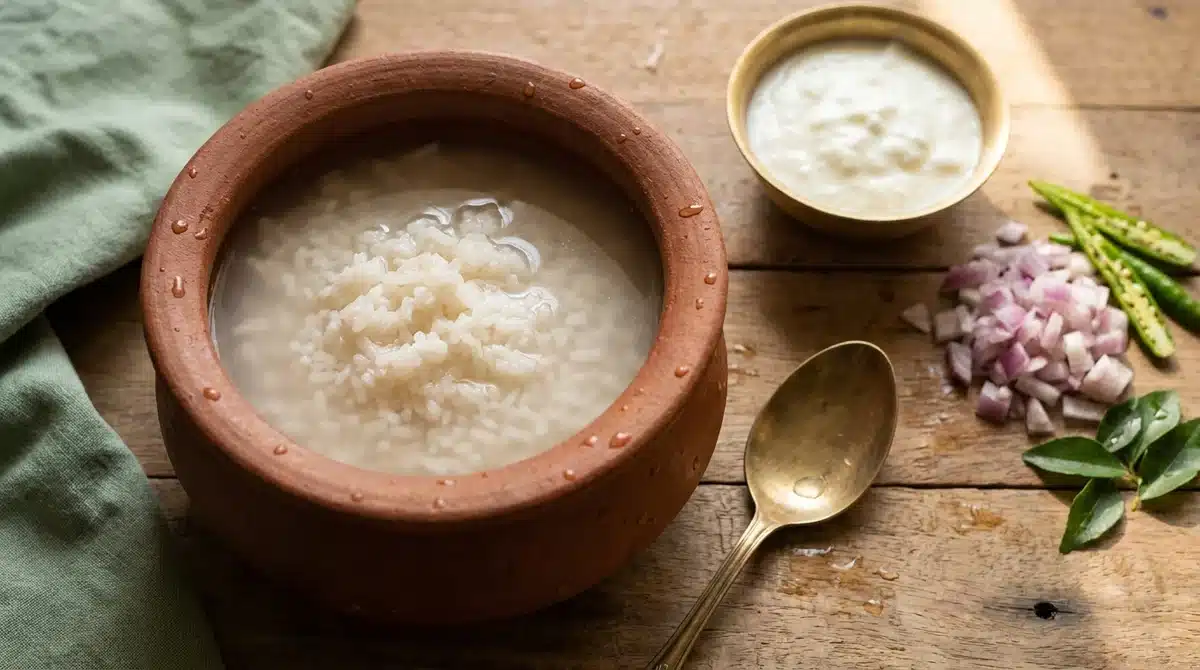
Rice water has been used in Asian beauty traditions for centuries, but recently fermented rice water for skin has become even more popular. Many people believe the fermentation process makes it more powerful for brightening dull skin, improving hydration, and supporting the skin barrier. Social media is filled with claims that it works faster than regular rice water, but how much of that is actually true?
After reviewing published research, dermatologist recommendations, and traditional skincare practices, one thing becomes clear: fermented rice water has promising benefits, but it isn’t the miracle solution many videos make it out to be. While fermentation can increase certain antioxidants and beneficial compounds, your results still depend on your skin type, routine, and consistency.
In this guide, you’ll learn what fermented rice water is, how it compares with regular rice water, the benefits and possible side effects, how to prepare it safely at home, and the best ways to use it for healthy-looking skin. You’ll also discover who should avoid it and what science currently says about its effectiveness.
Quick Answer
Yes, fermented rice water may be better than regular rice water because fermentation increases certain antioxidants, amino acids, and skin-supporting compounds. However, the improvement is modest rather than dramatic, and it should be used as part of a complete skincare routine instead of replacing evidence-based products like sunscreen and moisturizer.
Table of Contents
- What Is Fermented Rice Water?
- Is Fermented Rice Water Good for Your Face?
- Benefits of Fermented Rice Water for Skin
- Fermented Rice Water vs Regular Rice Water
- How to Make Fermented Rice Water at Home
- How to Use Fermented Rice Water Safely
- Side Effects and Who Should Avoid It
- How Long Does It Take to See Results?
- Common Mistakes to Avoid
- Dermatologist Tips
- Frequently Asked Questions
What Is Fermented Rice Water?
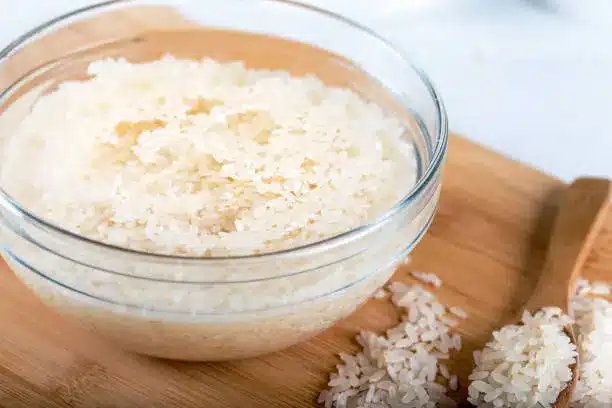
Fermented rice water is simply rice water that has been left at room temperature long enough for naturally occurring microorganisms to begin breaking down the starches found in rice. During this process, the liquid becomes richer in certain amino acids, antioxidants, vitamins, and organic acids that may provide additional skincare benefits compared with freshly prepared rice water.
Unlike regular rice water, which is usually made by soaking or boiling rice for a short period, fermentation changes the composition of the liquid. Beneficial microorganisms convert some of the carbohydrates into smaller compounds that may be easier for the skin to utilize.
This is one reason fermented ingredients have become increasingly popular in Korean and Japanese skincare. Many well-known products contain fermented rice extracts because the process may improve ingredient stability while enhancing antioxidant activity.
That said, it’s important to separate tradition from exaggerated marketing claims. Although laboratory studies suggest fermentation increases beneficial compounds, there is still limited high-quality research showing that homemade fermented rice water dramatically outperforms regular rice water on human skin.
A good way to think about it is this:
- Regular rice water provides hydration and soothing benefits.
- Fermented rice water may offer those same benefits with a slightly higher concentration of skin-supporting compounds.
The difference exists, but it is not as dramatic as many social media videos suggest.
Is Fermented Rice Water Good for Your Face?
For most healthy skin types, yes. Fermented rice water can be a gentle addition to a skincare routine when used correctly.
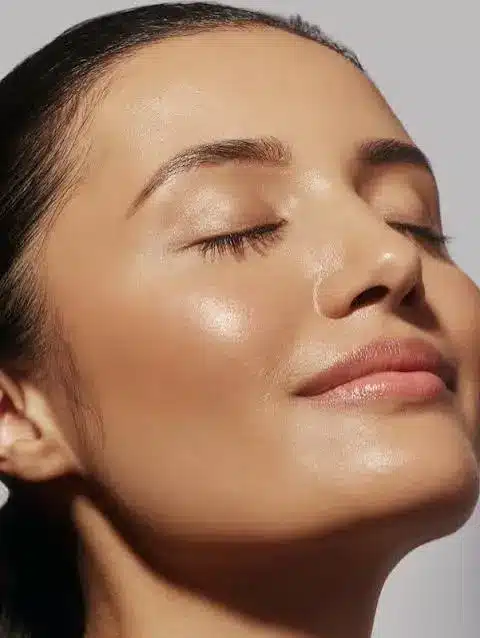
Many people use it as a toner because it feels lightweight while leaving the skin refreshed and hydrated. The naturally occurring amino acids and antioxidants may also help support the skin barrier, which is important for maintaining healthy, comfortable skin.
People often notice improvements in:
- dull-looking skin
- uneven skin tone
- mild dehydration
- rough texture
- skin that feels tight after cleansing
However, fermented rice water is not a replacement for ingredients that have strong clinical evidence, such as retinoids, niacinamide, azelaic acid, or vitamin C. If you’re dealing with melasma, severe acne, or stubborn pigmentation, those conditions usually require more targeted treatment.
Instead, think of fermented rice water as a supportive skincare ingredient rather than the main treatment.
Dermatologist Perspective: Healthy skin starts with a strong skin barrier. Ingredients that improve hydration and reduce water loss often provide more visible results than harsh treatments that promise overnight brightening.
Why Fermentation May Improve Rice Water
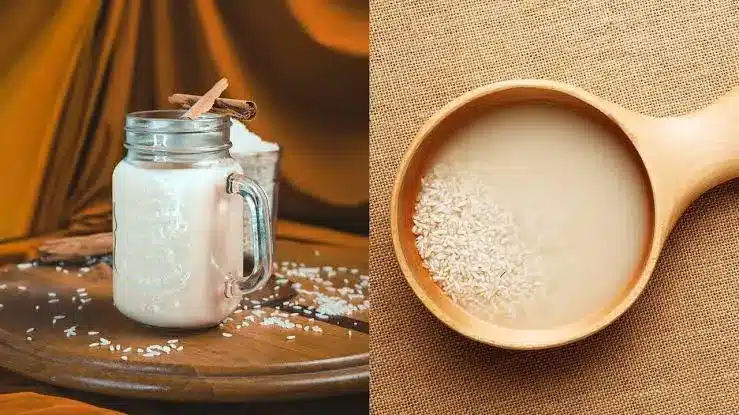
Many people wonder why fermented rice water receives so much attention compared with the regular version.
The answer lies in the fermentation process itself.
As beneficial microorganisms break down rice starches, several changes occur:
- antioxidant activity increases
- amino acids become more available
- certain B vitamins increase
- organic acids are produced
- the pH becomes slightly lower, making it gentler for many people
These changes may improve how the liquid interacts with the skin, especially if your goal is hydration, smoother texture, and a healthier skin barrier.
Some of the naturally occurring compounds include:
Ferulic Acid
A well-known antioxidant that helps defend the skin against environmental stress caused by pollution and UV exposure. It is commonly paired with vitamin C in professional skincare formulations because of its stabilizing properties.
Amino Acids
Rice naturally contains amino acids that help support the skin barrier and improve moisture retention. Healthy skin barriers lose less water throughout the day.
Inositol
Research suggests inositol may support cell renewal and improve overall skin condition. It has also been studied for its role in maintaining healthy skin function.
B Vitamins
Fermentation may increase certain B vitamins that contribute to smoother-looking skin and healthier barrier function.
What Does Research Actually Say?
This is where many online articles become misleading.
Current research suggests that fermented rice extracts show promising antioxidant, moisturizing, and barrier-supporting properties. Laboratory studies also indicate that fermentation can increase the concentration of beneficial compounds.
However, there are very few large human clinical trials evaluating homemade fermented rice water.
That means we cannot honestly claim it:
- permanently lightens skin
- removes wrinkles
- cures acne
- eliminates pigmentation
Instead, the current evidence suggests it may help:
- improve skin hydration
- support the skin barrier
- reduce dullness
- provide antioxidant protection
- gradually improve overall skin appearance with consistent use
These realistic expectations are far more accurate than the dramatic transformations often shown online.
Benefits of Fermented Rice Water for Skin
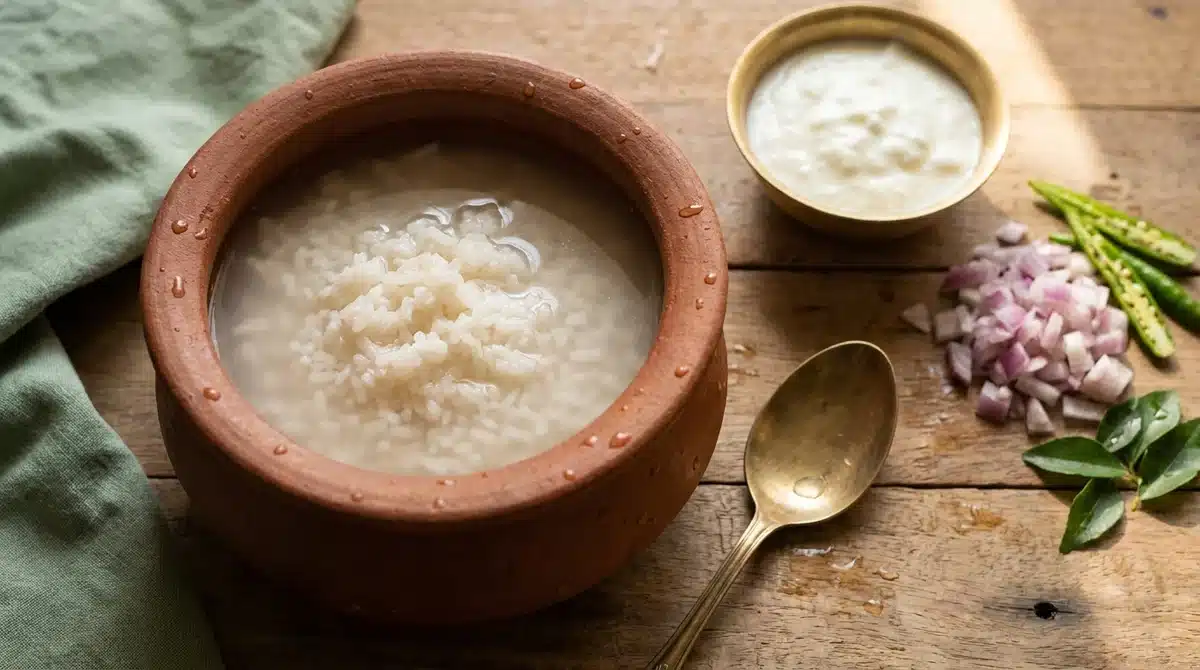
Although fermented rice water isn’t a miracle treatment, it can become a valuable addition to a well-balanced skincare routine. Fermentation increases several naturally occurring compounds that may help improve hydration, strengthen the skin barrier, and protect against environmental damage.
Here are the benefits you can realistically expect.
1. May Brighten Dull Skin
One of the biggest reasons people use fermented rice water is to improve skin radiance.
As the skin becomes better hydrated and the barrier functions more effectively, it often appears healthier and more luminous. Fermented rice water also contains antioxidants that may help reduce oxidative stress, one of the factors linked to dull-looking skin.
Keep in mind that brighter-looking skin is not the same as permanently changing your natural skin tone.
Best for:
- Dull skin
- Uneven skin tone
- Tired-looking complexion
2. Supports a Healthy Skin Barrier
Your skin barrier protects against moisture loss, pollution, bacteria, and irritation. When it becomes damaged, your skin may feel tight, dry, or sensitive.
Fermented rice water contains amino acids and vitamins that may help support this protective barrier. While it cannot repair severe barrier damage overnight, consistent use alongside a moisturizer may improve overall skin comfort.
Signs of a weakened skin barrier include:
- Tightness after cleansing
- Redness
- Flaking
- Increased sensitivity
- Dry patches
3. Helps Keep Skin Hydrated
Hydration is one of the first improvements many people notice.
Fermented rice water leaves a light layer of moisture on the skin, making it an excellent step before applying moisturizer.
For even better hydration, apply it to slightly damp skin and follow with a moisturizer containing ingredients like:
- Hyaluronic acid
- Ceramides
- Glycerin
- Squalane
This combination helps reduce transepidermal water loss and keeps skin feeling comfortable for longer.
4. Provides Antioxidant Protection
Every day your skin is exposed to UV rays, pollution, and free radicals.
Fermented rice water contains antioxidants such as ferulic acid that may help reduce oxidative stress. While this does not replace sunscreen, antioxidants can provide additional protection when combined with a proper skincare routine.
Always wear a broad-spectrum SPF 30 or higher during the day, even if you use antioxidant-rich skincare products.
5. May Improve Skin Texture
If your skin feels rough rather than smooth, hydration alone can make a noticeable difference.
Many users report that their skin feels softer after several weeks of consistent use.
This happens because well-hydrated skin reflects light more evenly and sheds dead skin cells more effectively.
Results are usually gradual rather than immediate.
6. May Help Reduce the Appearance of Dark Spots
One of the most searched questions is whether fermented rice water fades pigmentation.
The honest answer is that it may help mild post-inflammatory hyperpigmentation, but results vary.
Fermented rice water should be viewed as a supportive ingredient rather than a treatment for melasma or stubborn pigmentation.
For best results, combine it with:
- Daily sunscreen
- Vitamin C
- Niacinamide
- Azelaic acid (if recommended by your dermatologist)
7. Suitable for Most Skin Types
When prepared correctly, fermented rice water is generally well tolerated by:
- Dry skin
- Combination skin
- Oily skin
- Normal skin
- Sensitive skin
However, everyone should perform a patch test before applying it to the entire face.
Reality Check
Fermented rice water may improve hydration, radiance, and overall skin appearance, but it will not permanently whiten skin, erase deep wrinkles, or replace dermatologist-approved treatments.
Fermented Rice Water vs Regular Rice Water
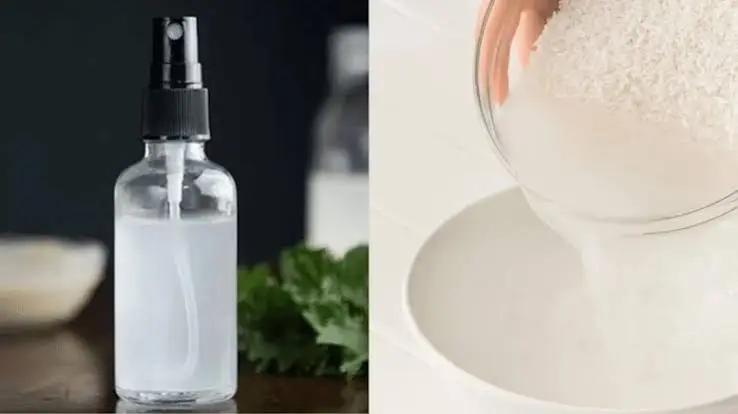
Many people wonder whether fermentation actually makes a difference.
The answer is yes, but probably not as dramatically as social media suggests.
| Feature | Fermented Rice Water | Regular Rice Water |
|---|---|---|
| Preparation time | 24–48 hours | 30–60 minutes |
| Antioxidant activity | Higher | Moderate |
| Amino acids | Higher | Moderate |
| Skin barrier support | Excellent | Good |
| Hydration | Excellent | Good |
| Brightening potential | Slightly better | Good |
| Smell | Mildly sour | Neutral |
| Beginner friendly | Moderate | Excellent |
| Shelf life | Up to 7 days (refrigerated) | Up to 7 days (refrigerated) |
Which One Should You Choose?
Choose regular rice water if:
- You’re trying rice water for the first time.
- You want a quick DIY recipe.
- You prefer a neutral smell.
- You have an extremely simple skincare routine.
Choose fermented rice water if:
- You’ve already used regular rice water successfully.
- You want to maximize antioxidant benefits.
- You don’t mind waiting 24–48 hours.
- You enjoy DIY skincare.
For most people, either option can work well. The best choice is the one you’ll use consistently.
How to Make Fermented Rice Water at Home
Making fermented rice water is simple, but hygiene is essential. Using clean equipment helps reduce the risk of contamination.
You’ll Need
- ½ cup uncooked rice (white or brown)
- 2 cups filtered water
- A clean glass jar
- Fine mesh strainer
- Airtight glass bottle for storage
Step 1: Wash the Rice
Rinse the rice under running water to remove dust and excess starch.
Step 2: Soak the Rice
Place the rice in a clean bowl with two cups of filtered water.
Let it soak for 30 to 45 minutes, stirring once or twice.
Step 3: Strain the Water
Pour the liquid through a fine strainer into a clean glass jar.
The cloudy liquid is your rice water.
Step 4: Ferment
Cover the jar loosely with a clean cloth or lid.
Leave it at room temperature for 24 to 48 hours, away from direct sunlight.
You’ll know it’s ready when it develops a mild sour smell.
A slight sediment at the bottom is normal.
Step 5: Refrigerate
Once fermentation is complete, transfer the liquid to a clean bottle and refrigerate immediately.
Use within 7 days.
Discard it sooner if you notice:
- Mold
- A rotten smell
- Strange colors
- Excessive bubbles
When in doubt, make a fresh batch.
How to Use Fermented Rice Water for Your Face
There are several easy ways to include fermented rice water in your routine.
As a Toner

This is the most popular method.
After cleansing:
- Apply fermented rice water with clean hands or a cotton pad.
- Let it absorb naturally.
- Follow with serum and moisturizer.
Use once daily at first.
As a Facial Mist
Pour it into a clean spray bottle.
Mist your face throughout the day whenever your skin feels dry.
This works especially well during hot weather or in air-conditioned environments.
As a DIY Face Mask
Mix:
- 2 tablespoons fermented rice water
- 1 tablespoon aloe vera gel
- 1 teaspoon honey
Apply for 15 minutes before rinsing with lukewarm water.
Repeat one to two times per week.
Overnight Application
Many people ask if fermented rice water can be left on overnight.
Yes, if your skin tolerates it well.
Apply a thin layer after cleansing, allow it to dry, then follow with your moisturizer.
If you’re trying it for the first time, start by leaving it on for 20 to 30 minutes before rinsing.
How Often Should You Use It?
If you’re new to fermented skincare:
Week 1
- 2–3 times per week
Week 2
- Every other day
After Week 3
- Once daily if your skin remains comfortable
Some people with sensitive skin prefer using it only a few times each week, and that’s perfectly fine.
Pro Tip
Fermented rice water works best when combined with a gentle cleanser, a barrier-supporting moisturizer, and daily sunscreen. Think of it as a supporting step in your routine rather than a replacement for clinically proven skincare ingredients.
Who Should Avoid Fermented Rice Water?
Although fermented rice water is considered gentle for most people, it isn’t suitable for every situation.
Avoid using it if you have:
- Open cuts or wounds on your face
- An active skin infection
- A known allergy to rice
- Severe irritation after chemical peels or laser treatments
- Extremely inflamed eczema or dermatitis during a flare-up
If you have very sensitive skin, always perform a patch test before applying it to your entire face.
Apply a small amount behind your ear or on your inner arm and wait 24 hours. If you notice redness, itching, burning, or swelling, discontinue use.
Possible Side Effects of Fermented Rice Water
Most people tolerate fermented rice water well, especially when it’s prepared and stored correctly.
However, side effects can happen.
Mild Irritation
Some people experience slight redness or tingling during their first few applications.
This usually settles once your skin adjusts.
Dryness
Using fermented rice water too frequently may leave dry skin feeling tighter.
If this happens:
- Reduce use to 2–3 times weekly.
- Always apply moisturizer afterward.
Breakouts
Although uncommon, some people may experience clogged pores or breakouts.
Possible reasons include:
- Using spoiled rice water
- Poor hygiene during preparation
- Individual sensitivity
Stop using it if acne worsens significantly.
Allergic Reactions
Rice allergies are uncommon but possible.
Seek medical advice if you experience:
- Swelling
- Severe itching
- Hives
- Difficulty breathing
How Long Does Fermented Rice Water Take to Work?
One of the biggest misconceptions online is that fermented rice water produces overnight results.
Healthy skin doesn’t change that quickly.
Here’s a realistic timeline.
After 1 Week
You may notice:
- Softer skin
- Better hydration
- Less tightness after cleansing
After 2–4 Weeks
Many users begin seeing:
- A healthier glow
- Smoother texture
- Less dullness
- More balanced skin
After 6–8 Weeks
With regular use alongside sunscreen and moisturizer, some people notice:
- Mild fading of post-acne marks
- More even-looking skin tone
- Improved skin barrier
- Reduced dryness
Results vary depending on:
- Skin type
- Sun exposure
- Current skincare routine
- Lifestyle
- Genetics
Fermented rice water supports healthy skin, but it isn’t a substitute for prescription treatments when dealing with severe pigmentation, acne, or scarring.
Common Mistakes to Avoid
Many people don’t see results because they’re making simple mistakes.
1. Fermenting It for Too Long
Leaving rice water out for several days increases the risk of contamination.
Aim for 24 to 48 hours only.
2. Forgetting to Refrigerate It
Once fermentation is complete, refrigerate immediately.
Room-temperature storage shortens its shelf life.
3. Using Spoiled Rice Water
Throw it away if you notice:
- Mold
- A rotten smell
- Strange colors
- Excessive bubbles
Fresh batches are always safer.
4. Applying It Without Moisturizer
Rice water isn’t a moisturizer.
Seal in hydration afterward with a moisturizer suitable for your skin type.
5. Skipping Sunscreen
Brightening ingredients work best when your skin is protected from UV damage.
Daily SPF remains one of the most important steps in any skincare routine.
6. Expecting Permanent Skin Lightening
This is one of the biggest myths online.
Fermented rice water may improve dullness and help uneven skin tone appear brighter.
It cannot permanently change your natural skin color.
7. Using It on Irritated Skin
If your face is already burning, peeling, or inflamed, simplify your routine first.
Allow your skin barrier to recover before introducing DIY skincare.
Dermatologist Tips for Better Results
Want to get the most from fermented rice water?
Follow these evidence-based tips.
✔ Apply it on slightly damp skin.
✔ Follow immediately with a moisturizer to lock in hydration.
✔ Wear sunscreen every morning.
✔ Store homemade rice water in the refrigerator.
✔ Make a fresh batch every week.
✔ Don’t rely on fermented rice water alone for stubborn pigmentation.
✔ Combine it with proven ingredients like niacinamide, ceramides, or hyaluronic acid if your skin tolerates them.
Most importantly, be patient.
Healthy skin improves gradually through consistent care rather than overnight treatments.
Frequently Asked Questions
Is fermented rice water good for your face?
Yes. Fermented rice water may help improve hydration, support the skin barrier, and make skin appear brighter over time. However, it should complement a complete skincare routine rather than replace proven skincare products.
Is fermented rice water better than regular rice water?
Fermented rice water contains a higher concentration of certain antioxidants and amino acids, which may provide additional skincare benefits.
Regular rice water is still effective and may be the better choice for beginners because it’s quicker to prepare.
How long should you ferment rice water?
Most homemade fermented rice water is ready after 24 to 48 hours at room temperature.
Fermenting it longer increases the risk of spoilage.
Can I use fermented rice water every day?
Yes, if your skin tolerates it.
Start with 2–3 applications per week, then increase gradually if no irritation occurs.
Can I leave fermented rice water on overnight?
Yes.
Many people use it overnight as a hydrating toner before moisturizer.
If you’re using it for the first time, test it for a shorter period before leaving it on overnight.
How should fermented rice water smell?
A mild sour or slightly vinegary smell is normal.
A rotten or moldy odor means it should be discarded.
Does fermented rice water help with acne?
It may soothe mild inflammation and support the skin barrier, but it isn’t an acne treatment.
Persistent or severe acne should be evaluated by a dermatologist.
Can fermented rice water fade dark spots?
It may gradually improve the appearance of mild post-inflammatory hyperpigmentation when combined with daily sunscreen and a consistent skincare routine.
Results usually take several weeks.
Can fermented rice water permanently lighten skin?
No.
It cannot permanently change your natural skin tone.
It may improve radiance and reduce the appearance of uneven pigmentation, making skin look brighter.
Can I use fermented rice water with vitamin C?
Yes.
Most people can use both, but applying them at different times of day may reduce the risk of irritation if you have sensitive skin.
Is fermented rice water safe during pregnancy?
Topical rice water is generally considered low risk, but if you’re pregnant or breastfeeding, it’s always best to discuss new skincare products with your healthcare provider.
How long does homemade fermented rice water last?
Store it in the refrigerator and use it within 7 days.
Always discard it if it develops mold or an unpleasant smell.
Final Verdict: Is Fermented Rice Water Worth Trying?
If you’re looking for an affordable, gentle way to support healthier-looking skin, fermented rice water is worth trying.
While it won’t permanently lighten your skin or replace dermatologist-approved treatments, it may improve hydration, strengthen the skin barrier, and gradually enhance your skin’s natural radiance when used consistently.
The key is having realistic expectations.
No DIY ingredient delivers instant transformations, and fermented rice water is no exception.
For the best results:
- Make a fresh batch every week.
- Patch test before first use.
- Apply it consistently.
- Always follow with moisturizer.
- Wear sunscreen daily.
Healthy, glowing skin comes from good habits over time not overnight miracles.
If you enjoy natural skincare, fermented rice water can be a simple and budget-friendly addition to your routine. Combined with proven skincare ingredients and a balanced routine, it may help your skin look brighter, smoother, and healthier over time.
Read more about how rice water has amzing benifits for you hair.
Read Here