


Makeup brushes are more than just beauty tools, they’re the foundation of flawless makeup application. Whether you’re a beginner learning to do your first makeup look or a pro perfecting advanced techniques, the right brushes can completely transform your routine. With so many types, shapes, and uses, it’s easy to feel overwhelmed. This complete guide will walk you through everything you need to know, from choosing the best makeup brushes to understanding how to use and care for them properly.
Why Makeup Brushes Matter
Makeup brushes are designed to give precision, control, and a seamless finish that fingers or sponges alone can’t always provide. A good makeup brush helps you apply products evenly, blend effortlessly, and achieve a professional-looking finish. For example, a foundation brush can make liquid foundation appear smooth and natural, while an angled contour brush can sculpt your face beautifully.
Beyond performance, using brushes is also more hygienic than applying products with your hands. Clean, high-quality makeup brushes minimize the spread of bacteria and prevent clogged pores.
Understanding the Types of Makeup Brushes
When it comes to makeup application, each brush is crafted for a specific purpose. Knowing the types of makeup brushes will help you build a personalized makeup brushes set that fits your daily routine.
Face Brushes
Foundation Brush

Powder Brush
Blush Brush
Contour Brush
Highlight Brush
Eye Brushes


Eyeshadow Brush
Flat eyeshadow brushes are great for packing color onto the lid, while fluffy blending brushes soften harsh lines for a seamless look.Crease Brush
Eyeliner Brush
Brow Brush
A firm, angled brush is essential for filling and shaping brows with powder or pomade.
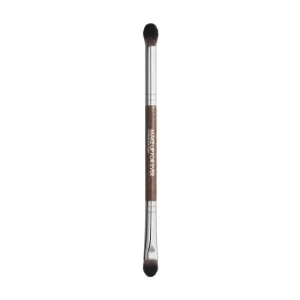 Flat eyeshadow brushes are great for packing color onto the lid, while fluffy blending brushes soften harsh lines for a seamless look.

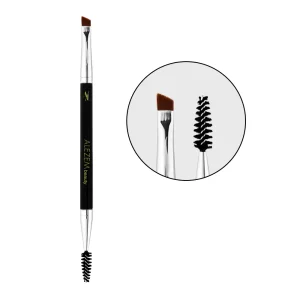 A firm, angled brush is essential for filling and shaping brows with powder or pomade.
Lip and Detail Brush
Lip Brush
This small, firm brush gives precise control when applying lipstick or gloss.Detail Brush
Great for spot concealing, highlighting inner corners of the eyes, or perfecting fine lines.
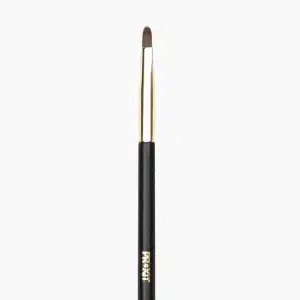 This small, firm brush gives precise control when applying lipstick or gloss.
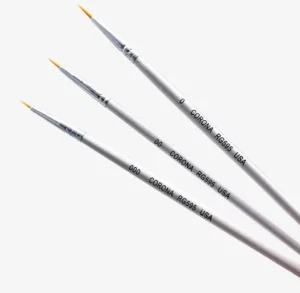 Great for spot concealing, highlighting inner corners of the eyes, or perfecting fine lines.
Choosing the Best Makeup Brushes for Your Routine
The best brush makeup choice depends on your makeup style, skin type, and product preferences. Here are some expert tips to help you choose wisely:
Synthetic vs. Natural Bristles;
Synthetic brushes are often best for liquid or cream products like foundation and concealer because they don’t absorb as much product. Natural hair brushes are soft and great for powders but can be less ethical and more expensive. Many modern synthetic brushes perform just as well as natural ones.
 Synthetic brushes are often best for liquid or cream products like foundation and concealer because they don’t absorb as much product. Natural hair brushes are soft and great for powders but can be less ethical and more expensive. Many modern synthetic brushes perform just as well as natural ones.
Bristle Density
: Dense brushes give full coverage, especially for foundation and cream products. Fluffier brushes are better for light, diffused application, like setting powder or bronzer.
Shape and Size
: The shape of a brush determines its use. Flat brushes lay down product, angled brushes define, and round brushes blend.
Investing in the best makeup brushes can completely change the way your makeup looks and feels.
Building the Perfect Makeup Brushes Set
If you’re starting from scratch, it’s wise to invest in a brushes set makeup rather than buying individual brushes one by one. A basic makeup brushes set typically includes:
- Foundation brush
- Powder brush
- Blush or bronzer brush
- Eyeshadow brush
- Blending brush
- Eyebrow brush
Advanced sets may also include contour, fan, and detailed brushes. Choose a set that suits your skill level and daily makeup needs.
How to Use Makeup Brushes Like a Pro
Knowing how to use each brush is just as important as owning them. Here’s a quick guide to applying makeup with brushes:
- Start with clean, dry brushes.
- For foundation, apply a small amount of product to the center of your face and use a brush foundation tool to blend outward in circular motions.
- Use a powder brush to set with translucent powder, focusing on the T-zone.
- Gently sweep blush on the apples of your cheeks with a soft, rounded brush.
- For eyes, pack color onto the lid with a flat brush, then blend with a fluffy crease brush.
- Finish with a brow and eyeliner brush for definition.
Cleaning and Caring for Your Makeup Brushes
Even the best makeup brushes need regular care. Dirty brushes can lead to patchy makeup application and breakouts. Here’s how to keep your brushes clean:
- Wet the bristles with lukewarm water.
- Apply a gentle cleanser or brush shampoo.
- Gently swirl the brush on your palm or a cleaning mat.
- Rinse thoroughly until the water runs clear.
- Squeeze out excess water and reshape the bristles.
- Lay the brushes flat on a towel to dry completely.
Clean foundation brushes at least once a week. Powder and eye brushes can be cleaned every 1–2 weeks depending on use.
Common Mistakes to Avoid When Using Makeup Brushes
Using the wrong brush for the product
– A powder brush won’t give the same finish as a dense foundation brush.
Not cleaning brushes regularly
– This can cause streaky application and skin irritation.
Pressing too hard
– Let the brush do the work; applying too much pressure can remove product instead of blending it.
Not replacing old brushes
– Over time, brushes lose their shape and effectiveness.
Best Makeup Brushes to Try in 2025
After testing and reviewing top products, here are a few standout options from beauty experts:
Hourglass Ambient Soft Glow Foundation Brush– Ideal for smooth, even coverage.
Real Techniques Expert Face Brush – A budget-friendly favorite for beginners.
- Pat McGrath Labs Concealer Brush – Excellent for precise work.
- Morphe Brush Sets – Great value for a complete makeup brushes set.
Makeup Brushes vs. Sponges: Which Is Better?
Both tools have their strengths. Brushes give more precision, coverage, and are great for layering products. Sponges provide a natural, skin-like finish and are excellent for blending cream products. Many makeup lovers use both: a liquid foundation brush for applying product and a sponge for finishing touches.
How Often to Replace Makeup Brushes
High-quality brushes can last for years with proper care. However, if your brush starts shedding, losing shape, or not applying product evenly, it’s time to replace it. Most pros recommend replacing frequently used brushes every 1-2 years


