


Rice water seems to be everywhere, from K-beauty routines to TikTok skincare videos. I was curious whether it actually deserved the hype, so I looked into the research, traditional uses, and how it fits into a modern skincare routine.
If you’ve tried expensive serums, fancy face masks, and countless skincare products but still struggle with dull skin, dark spots, or that frustrating uneven tone, rice water might be exactly what your skin has been craving.
Let me walk you through everything you need to know about using rice water for your face, including the science behind it, how to make it at home, and whether it actually lives up to the hype.
What Is Rice Water for Skin?
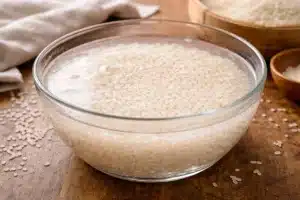
Rice water is the cloudy, milky liquid left behind after you soak or cook rice.
Sounds simple, right? That’s because it is.
But don’t let the simplicity fool you. This starchy water is packed with vitamins, minerals, and antioxidants that Asian women have been using for literally hundreds of years to keep their skin looking young, bright, and healthy.
When rice sits in water, it releases all its good stuff into the liquid. Amino acids, vitamin E, B vitamins, minerals like zinc and magnesium, and powerful antioxidants like ferulic acid all make their way into that cloudy water.
Think of it like brewing tea, except instead of tea leaves, you’re using rice. The water absorbs all the beneficial nutrients, creating a skincare powerhouse that costs basically nothing to make.
The K-Beauty Connection: Why Korean Skincare Loves Rice Water
Korean skincare didn’t just randomly decide rice water was amazing. This ingredient has been a staple in Asian beauty routines for centuries.
In Korea and Japan, rice water has been used as a natural face wash, toner, and treatment for generations. Korean women swear by it for achieving that famous glass skin look, the dewy, translucent complexion that makes your skin look like porcelain.
Walk into any K-beauty store and you’ll find countless products featuring rice extract, rice water, or rice bran. From toners to essences to masks, rice is everywhere in Korean skincare for good reason.
The Yao women in China’s Huangluo village are famous not just for their incredibly long hair, but also for their youthful, glowing skin well into old age. Their secret? Fermented rice water baths for both hair and skin.
Korean brands like I’m From, Haruharu Wonder, and The Face Shop have entire product lines dedicated to rice-based skincare. They understand what works.
Rice Water Benefits for Skin (What Science Says)
Okay, let’s get real about what rice water can actually do for your skin.
Brightens and Evens Skin Tone
This is probably the number one reason people try rice water. It contains natural enzymes that help fade dark spots and hyperpigmentation over time.
Rice water won’t magically bleach your skin overnight (and you shouldn’t want it to anyway). But with consistent use, it can help even out your skin tone and give you that natural glow.
The ferulic acid in rice water is a powerful antioxidant that fights free radicals and helps brighten dull skin.
Hydrates Like Crazy
If your skin feels tight, dry, or thirsty no matter how much moisturizer you slather on, rice water might help.
It contains amino acids and vitamins that help your skin hold onto moisture better. Your skin doesn’t just get hydrated, it stays hydrated longer.
This is huge for people with dehydrated skin who feel like nothing really works.
Learn more ways to hydrate your skin naturally in our complete hydration guide.
Soothes Irritated and Sensitive Skin
Got red, angry, irritated skin? Rice water contains oryzanol, a compound that calms inflammation and soothes sensitivity.
It’s gentle enough for sensitive skin and can help reduce redness and irritation from acne, eczema, or just general sensitivity.
If your skin freaks out every time you try a new product, rice water’s gentle nature makes it a safe option to try.
Anti-Aging Benefits
Rice water supports collagen production, which helps keep your skin firm and plump.
It won’t erase deep wrinkles (nothing topical really can), but regular use can help reduce the appearance of fine lines and keep your skin looking younger longer.
The antioxidants fight environmental damage that ages your skin prematurely.
For more targeted treatment of dark spots, check our complete guide on how to get rid of dark spots on face.
Helps with Acne
Rice water has natural astringent properties that help tighten pores and reduce excess oil.
The starch in rice water can help balance oil production without stripping your skin. Less oil means fewer clogged pores and potentially fewer breakouts.
It won’t cure severe acne, but it can definitely help manage minor breakouts and prevent new ones.
Tightens Pores
Nobody likes large, visible pores. Rice water acts as a natural pore minimizer.
The astringent effect helps temporarily tighten pores, making your skin look smoother and more refined.
Repairs Your Skin Barrier
Your skin barrier is like a protective wall that keeps moisture in and irritants out. When it’s damaged, your skin gets dry, sensitive, and prone to problems.
Rice water helps strengthen and repair this barrier, leading to healthier, more resilient skin overall.
Who Should Avoid Rice Water for Skin?
Include:
- People with a rice allergy.
- Those with a damaged skin barrier.
- Anyone with irritated or infected skin.
- People who notice irritation after patch testing.
How to Make Rice Water for Skin (3 Easy Methods)
Making rice water at home is so simple you’ll wonder why you ever bought expensive toners.
Here are three different methods. Pick whichever fits your schedule.
Method 1: Soaking (Quick and Easy)
This is the fastest method and works great if you’re new to rice water.
What you need:
- 1/2 cup uncooked rice (white or brown)
- 2 cups water
Steps:
- Rinse your rice thoroughly to remove dirt and impurities
- Place the clean rice in a bowl
- Add 2 cups of water
- Let it soak for 30 minutes to 2 hours
- Swirl and gently squeeze the rice to release more nutrients
- Strain the rice water into a clean bottle
- Store in the fridge for up to 1 week
The leftover rice? Cook it and eat it. Zero waste.
Method 2: Boiling
This method extracts more nutrients but may reduce some vitamins due to heat.
What you need:
- 1/2 cup uncooked rice
- 3 cups water
Steps:
- Rinse your rice
- Add rice and water to a pot
- Bring to a boil
- Let it simmer for 15-20 minutes until water becomes cloudy
- Strain the rice water into a bowl
- Let it cool completely
- Store in the fridge
Again, save that rice for dinner.
Method 3: Fermented Rice Water (Most Potent for Brightening)
Fermented rice water is the Korean secret weapon for glass skin. Fermentation increases antioxidant levels, making it more effective for brightening.
What you need:
- Rice water from the soaking method
Steps:
- Make rice water using the soaking method
- Instead of refrigerating, leave it at room temperature for 24-48 hours
- You’ll know it’s fermented when it smells slightly sour
- Once fermented, store in the fridge
- Dilute with regular water (1:1 ratio) before using on your face
Important: Don’t ferment for more than 2 days or it can develop harmful bacteria.
Rice Water vs Niacinamide: Which Is Better?
| Rice Water | Niacinamide |
|---|---|
| Traditional ingredient | Clinically studied ingredient |
| Can brighten dull skin | Helps with pigmentation and oil control |
| DIY option | Skincare product |
| Gentle for many people | Stronger evidence for several concerns |
You can even use both in the same routine if your skin tolerates them.
Rice Water vs Vitamin C
Mention:
- Vitamin C works faster for pigmentation.
- Rice water is gentler.
- They can complement each other.
How to Use Rice Water for Skin (Step-by-Step Methods)
Now that you’ve made your rice water, here’s how to actually use it for best results.
As a Face Wash
How to do it:
- Wet your face with lukewarm water
- Pour rice water into your palms
- Gently massage it onto your face in circular motions
- Leave it on for 1-2 minutes
- Rinse with cool water
- Pat dry and follow with your regular skincare
Use this method in the morning for a gentle, brightening cleanse.
As a Toner (Most Popular Method!)
This is how most Korean women use rice water, and it’s my favorite method too.
How to do it:
- After cleansing your face, pour rice water onto a cotton pad
- Gently swipe it across your face and neck
- Let it air dry (don’t rinse!)
- Follow with your serum and moisturizer
Or skip the cotton pad and just spray it directly on your face. Let it absorb for a minute, then continue with your routine.
Use morning and night for best results.
As a Face Mask
How to do it:
- Soak a sheet mask or cotton pads in rice water
- Apply to your face
- Leave on for 15-20 minutes
- Remove and gently pat in any remaining liquid
- Follow with moisturizer
Do this 2-3 times per week for extra brightening and hydration.
As a Refreshing Mist
How to do it:
- Pour rice water into a spray bottle
- Spritz your face whenever your skin feels dry or tired
- Great for midday refreshment or setting makeup
Keep it in the fridge for an extra cooling, soothing effect.
For Glass Skin Routine
Want that K-beauty glass skin glow? Here’s how to incorporate rice water:
Morning:
- Cleanse with rice water face wash
- Apply rice water toner
- Essence or serum
- Moisturizer
- SPF (always!)
Night:
- Double cleanse
- Rice water toner
- Treatments (retinol, vitamin C, etc.)
- Rice water face mask (2-3x per week)
- Moisturizer
Consistency is key. Glass skin doesn’t happen overnight.
DIY Rice Water Face Mask Recipes
Basic rice water is great, but you can supercharge it by adding other ingredients.
Looking for more mask recipes? Check out our DIY face msks for every skin type.
Brightening Rice Water Mask
Ingredients:
- 2 tablespoons rice water
- 1 tablespoon honey
- 1 teaspoon lemon juice (optional)
Mix together, apply to face, leave for 15 minutes, rinse.
Hydrating Rice Water Mask
Ingredients:
- 2 tablespoons rice water
- 1 tablespoon aloe vera gel
- 1 teaspoon rose water
Mix, apply, leave for 20 minutes, rinse.
Anti-Acne Rice Water Mask
Ingredients:
- 2 tablespoons fermented rice water
- 1 teaspoon turmeric powder
- 1 tablespoon yogurt
Mix, apply to problem areas, leave for 10-15 minutes, rinse thoroughly.
Rice Water for Different Skin Types
Rice water works for most skin types, but you might need to adjust how you use it.
For Oily Skin
Use rice water as a toner twice daily. The astringent properties help control oil without over-drying.
Fermented rice water works especially well for oily skin because it helps balance sebum production.
Dealing with oily skin? Our complete oily skin care routine guide has more tips.
For Dry Skin
Use plain (not fermented) rice water and always follow with a good moisturizer.
The hydrating benefits are amazing for dry skin, but you still need to seal in that moisture.
Use as a toner or mist throughout the day.
For Sensitive Skin
Start with diluted rice water (mix 1:1 with regular water) and use just once a day.
Patch test first! Apply a small amount to your inner arm and wait 24 hours.
Rice water is generally gentle, but everyone’s skin is different.
For Combination Skin
Use rice water as a toner on your entire face, but apply a face mask only to your T-zone or problem areas.
This balances oil in your T-zone while not over-drying your cheeks.
For Dark Skin / Skin Lightening Concerns
Let’s be clear: rice water won’t and shouldn’t “lighten” your beautiful skin tone.
What it does is brighten and even out your complexion by fading dark spots and hyperpigmentation. Your natural skin tone stays the same, it just looks more radiant and even.
Use fermented rice water for best brightening results on dark spots and acne scars.
Rice Water for Hair Too?
By the way, rice water isn’t just amazing for your skin. It’s also incredible for hair! If you’re dealing with dry, damaged, or slow-growing hair, rice water can help strengthen your strands, add shine, and promote healthier hair growth. Check out our complete guide on rice water for hair growth to learn how to use it for your hair care routine
Possible Side Effects of Rice Water for Skin and Things to Avoid
Rice water is generally super safe, but there are a few things to watch out for.
Possible Side Effects
Over-exfoliation: Using rice water too often can over-exfoliate sensitive skin, leading to dryness and irritation.
Solution: Start with 3-4 times per week and see how your skin responds.
Protein Sensitivity: Some people’s skin reacts badly to the proteins in rice water, especially if overused.
Solution: If your skin feels tight or irritated, reduce frequency or dilute with more water.
Bacterial Growth: If rice water goes bad, it can cause skin problems.
Solution: Always smell it before using. If it smells rancid or off, throw it out and make fresh.
When NOT to Use Rice Water
Skip rice water if you have active skin infections, open wounds, or severe skin conditions. Talk to a dermatologist first.
If you notice increased redness, itching, or breakouts after using rice water, stop immediately and consult a professional.
How Long Until You See Results?
Be patient. Rice water isn’t a miracle overnight treatment.
After 1 Week: Your skin might feel softer and more hydrated.
After 2 Weeks: You may notice a subtle brightness and more even skin tone.
After 4-6 Weeks: Visible improvement in skin texture, reduced dark spots, and that healthy glow people keep asking about.
After 8-12 Weeks: Significant brightening, improved skin barrier, fewer breakouts, and noticeably more radiant skin.
Consistency matters more than anything else. Using rice water once won’t do much. Using it daily for weeks will show real results.
Rice Water vs. Store-Bought Korean Toners
Should you make your own rice water or buy a Korean rice toner?
DIY Rice Water:
- Super cheap (basically free)
- Fresh and natural
- No preservatives
- Needs to be made frequently
- Results vary based on preparation
Korean Rice Toners:
- More convenient
- Consistent formulation
- Often combine rice with other beneficial ingredients
- Longer shelf life
- More expensive
My take: Start with DIY to see if your skin likes rice water. If you love the results but hate the hassle, invest in a quality Korean rice toner.
Popular K-beauty rice toners include I’m From Rice Toner, Haruharu Wonder Black Rice Toner, and The Face Shop Rice & Ceramide Moisturizing Toner.
Common Mistakes to Avoid
Don’t mess this up. Here are the mistakes I see people making:
Not Rinsing the Rice First
Always wash your rice before making rice water. Unwashed rice can have dust, dirt, or pesticide residue.
Using It Too Often
More is not better. Overuse leads to protein overload and dry, irritated skin. Stick to once or twice daily maximum.
Leaving It Out Too Long
Rice water can develop bacteria at room temperature. Store it in the fridge and use within a week.
Not Diluting Fermented Rice Water
Fermented rice water is strong. Always dilute it with regular water before applying to avoid irritation.
Expecting Instant Results
Skincare takes time. Give rice water at least 4-6 weeks of consistent use before deciding if it works for you.
Skipping Sunscreen
Rice water can make your skin more sensitive to sun. Always wear SPF during the day, especially if you’re using rice water for brightening.
Can I Use Rice Water on My Face Every Day?
Yes, you can use rice water daily as a toner or face wash.
But for treatments like masks or extended application, stick to 2-3 times per week.
Pay attention to how your skin responds. If it starts feeling dry or irritated, cut back to every other day.
When Can You Expect Results?
Week 1
- Skin may feel softer.
Week 2–4
- Dullness may gradually improve.
Week 6–8
- Some people may notice a more even-looking complexion with consistent use.
Rice water isn’t a miracle ingredient, but it has a long history in skincare and may be a helpful addition to a consistent routine. Pair it with sunscreen, a gentle cleanser, and moisturizer for the best chance of seeing healthier-looking skin over time.
Your Skin, Your Choice
So is rice water worth adding to your skincare routine?
If you’re struggling with dull, uneven skin tone, dehydration, or just want that K-beauty glass skin glow, yes, absolutely try it.
It’s cheap, natural, backed by centuries of use, and gentle enough for most skin types.
Will it transform your skin overnight? No. Nothing will.
But with consistent use over several weeks, rice water can genuinely help brighten, hydrate, and improve your skin’s overall health and appearance.
The best part? You’re literally using something you might be pouring down the drain anyway.
Give it 4-6 weeks of consistent use. If your skin loves it, great! If not, you’ve lost basically nothing trying.
Your journey to glowing, healthy skin starts with simple, consistent steps. Rice water might just be one of them.
FAQ: Rice Water for Skin Questions Answered
Q: Can we apply this on our face daily?
A: Yes, you can use it on your face daily as a toner or face wash. For masks or intensive treatments, use 2-3 times per week. Always monitor your complexion and adjust if you notice any irritation.
Q: How do I make it for my face?
A: The easiest method: rinse 1/2 cup rice, soak it in 2 cups water for 30 minutes to 2 hours, strain, and store in the fridge. Use within a week for best results.
Q: How do Koreans make it for skin?
A: Koreans often use the fermented method for maximum brightening benefits. They soak rice in water for 30 minutes, then leave it at room temperature for 24-48 hours to ferment before refrigerating. The fermentation process increases antioxidant levels for better results.
Q: How do you use it for skin?
A: You can use it as a face wash, toner, facial mist, or mask. The most popular method is as a toner: after cleansing, apply it to your face with a cotton pad or spray bottle, let it absorb, then follow with your regular skincare routine.
Q: Is rice water good for skin whitening?
A: It doesn’t “whiten” skin, but it does brighten and even out your complexion by fading dark spots and hyperpigmentation. Your natural tone remains the same, it just looks more radiant and uniform.
Q: How long should I leave rice water on my skin?
A: As a toner, you don’t rinse it off. As a mask, leave it on for 15-20 minutes before rinsing. For overnight treatment, you can leave diluted solution on your face, but start slowly to ensure your complexion tolerates it.
Q: Can rice water help with acne?
A: White and brown both work. White produces more starch, which some prefer for brightening. Brown has more nutrients. Experiment and see what your complexion likes best. For more acne solutions, see how niacinamide works for acne-prone skin
Q: What’s the best rice for making rice water?
A: White rice and brown rice both work. White rice produces more starch, which some people prefer for skin brightening. Brown rice has more nutrients. Experiment and see what your skin likes best.
Q: Does rice water compare to other brightening ingredients?
A: Rice water is gentler and more affordable than Vitamin C or hydroquinone, but works slower. You can combine it with niacinamide or vitamin C for faster results. Many people love using this as their base and adding stronger actives later in their routine.
Q: Is fermented rice water better than regular?
A: Fermented version has higher antioxidant levels, making it more potent for brightening dark spots. However, it’s also stronger and can irritate sensitive skin. Start with regular, and if your complexion tolerates it well, try the fermented version for enhanced results.
Q: Can I mix rice water with other ingredients?
A: Yes! It pairs well with honey, aloe vera, rose water, turmeric, and niacinamide. Avoid mixing with vitamin C (they work better separately). Our DIY mask recipes show safe combinations that work synergistically.


[…] Rice Water for Skin: Benefits & How to Use […]