


Hyperpigmentation on lips refers to the darkening of the lip area due to an overproduction of melanin, the pigment responsible for skin color. While this condition is generally harmless, it can affect one’s appearance and confidence. In this article, we’ll explore the signs, causes, treatments, and prevention strategies for hyperpigmentation on lips, as well as when to consult a healthcare professional.
Signs of Hyperpigmentation on Lips
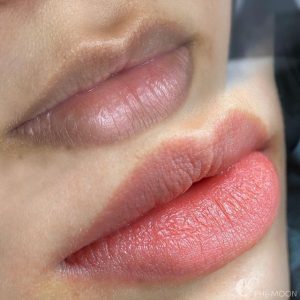
Hyperpigmentation in lips manifests as dark spots or patches, often appearing on the upper or lower lip. These areas may be uniform in color or uneven, leading to a dull or uneven lip tone. The discoloration can vary from light brown to dark brown or even black, depending on the severity and underlying cause. If you notice persistent darkening of your lips without an obvious reason, it’s essential to consider potential underlying factors.

Causes of Hyperpigmentation on Lips
Understanding the causes of hyperpigmented lips is crucial for effective treatment and prevention. Here are some common factors:
1. Vitamin Deficiency
Deficiencies in vitamins such as B12 and D have been linked to changes in skin pigmentation, including darkening of the lips. A balanced diet rich in essential nutrients can help maintain healthy skin tone.
2. Dehydration
Inadequate hydration can lead to dry and flaky lips, which may appear darker over time. Ensuring sufficient water intake is vital for maintaining lip health.
3. Excessive Iron
Conditions like hemochromatosis, characterized by excessive iron accumulation in the body, can cause skin discoloration, including on the lips. Proper medical management is necessary to address this issue.
4. Medications
Certain medications, such as chemotherapy drugs, antipsychotics, and tetracyclines, can lead to lip discoloration as a side effect.
5. Allergies
Allergic reactions to lip products, toothpaste, or other allergens can cause inflammation and darkening of the lips. Identifying and avoiding triggers is key to preventing this.
6. Hormonal Disorders
Hormonal imbalances, particularly during pregnancy or due to conditions like melasma, can result in dark patches on the lips.
7. Sun Exposure
Excessive exposure to UV rays can lead to sunspots and pigmentation changes on the lips. Protecting lips with SPF is essential to prevent this.
8. Smoking and Alcohol
Smoking and excessive alcohol consumption can contribute to lip discoloration and overall skin health deterioration.
9. Cancer
In rare cases, persistent dark spots on the lips may indicate oral melanoma or other forms of skin cancer. Early detection is crucial for effective treatment.
Treatment for Hyperpigmentation on Lips
Addressing hyperpigmentation on lips involves both medical and natural remedies:
Medical Treatments
Topical Creams: Products containing hydroquinone, kojic acid, or retinoids can lighten dark spots.
- Laser Therapy: Laser treatments can target and break down excess melanin in the lips.
- Chemical Peels: These procedures exfoliate the skin, promoting the growth of new, evenly pigmented skin.
- Cryotherapy: Involves freezing the pigmented area to remove dark spots.

Natural Remedies
- Lemon Juice: Known for its bleaching properties, lemon juice can be applied to the lips to lighten dark spots.
- Aloe Vera: Contains compounds that may inhibit melanin production and soothe the skin.
- Turmeric Paste: A mixture of turmeric and milk can be applied to the lips to reduce pigmentation.
- Pomegranate Extract: May help lighten skin and reduce pigmentation when applied topically.
It’s important to perform a patch test before using any natural remedy to ensure you don’t have an allergic reaction.

Prevention of Hyperpigmentation on Lips
To prevent lips hyperpigmentation, consider the following strategies:
- Sun Protection: Apply a lip balm with SPF 30 or higher to protect against UV rays.
- Hydration: Drink plenty of water to keep lips moisturized and prevent dryness.
- Avoid Smoking and Excessive Alcohol: These habits can contribute to lip discoloration.
- Gentle Lip Care: Avoid licking or biting your lips, as this can lead to irritation and pigmentation changes.
- Healthy Diet: Consume a balanced diet rich in vitamins and minerals to support skin health.
When to Contact a Doctor
Consult a healthcare provider if:
- The dark spots persist despite home treatments.
- You notice changes in the size, shape, or color of the spots.
- The pigmentation is accompanied by other symptoms like pain or swelling.
- You suspect the pigmentation may be a sign of a more serious condition, such as skin cancer.
Early consultation can lead to more effective treatment and peace of mind.
Frequently Asked Questions
Does hyperpigmentation on lips go away?
With appropriate treatment and lifestyle changes, hyperpigmentation on lips can fade over time.
Are certain skin types more susceptible to hyperpigmentation on lips?
Yes, individuals with darker skin tones may be more prone to hyperpigmentation on lips due to increased melanin production.
Can lip hyperpigmentation be a sign of a more serious skin issue?
In some cases, persistent or changing pigmentation may indicate underlying health issues, including skin cancer.


